Google


Moter show 2008 Nice car nice girl sport car classic car new car used car moter show
thailand hotel reservation bangkok pattaya phuket chiangmai booking hotel


Saturday, March 28, 2009

How Effective Are Hybrid Trucks? : New Ford 2009,

How Effective Are Hybrid Trucks?
by Gary Ng

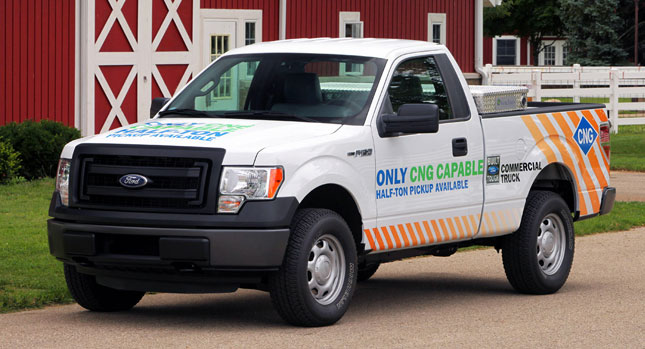
The international concern about the environment is nothing new. Among the efforts made in the preservation of the natural world interest in particular has been awaken in so far as pollution and saving the planet's energy sources are concerned. Therefore important steps have been made in this direction and scientists, engineers and vehicle producers have combined efforts to create green vehicles or at least to adapt the existing ones to the present ecological needs and legal specifications. A true success was the creation of more varied types of hybrid vehicles. And this is when hybrid trucks come into play. What's the trick about hybrid trucks? Well, as you know, goods transportation would be paralyzed in the absence of trucks. These big vehicles - the hybrid trucks - are huge fuel eaters and the industry of transportation is equally large.
People are becoming more aware every day of the importance of preserving our environment and not using our energy resources wastefully any more that even owners of businesses in the field of transportation have changed their views and turned to hybrid trucks to comply with the laws and state regulations. Apparently, hybrid trucks represent one of the most popular hybrid items in the vehicle industry. Users are more interested to apply technical achievements in their fields of activity. People are interested not only in hybrid trucks but also in hybrid electric, diesel and flex fuel pickups, hybrid commercial trucks, freight trucks, semis and many others. Although full hybrid trucks belong to the future, this is a not so distant reality as you might imagine. Actually, a couple of full hybrid trucks have been launched in 2008, with more to come in 2009 and 2010.
The number of manufacturers involved in the design of hybrid trucks is increasing, and efforts are made in the direction of getting fully electric vehicles. Thus Chevy and GMC have come up with some mild versions of hybrid pickups. Truck lovers and users will get satisfaction soon when promises made by Toyota, Dodge, Freightliner, International Truck Engine, Eaton and Kenworth will be materialized in the new hybrid trucks to be used. A nice achievement in the making of hybrid trucks is the notable reduction in the noise level besides the energy saving features. Hybrid trucks are silent, cleaner and safer to use: all you need to do is get the idea of an investment and put it into practice!

Friday, February 27, 2009

Types of Alternative Fuel Vehicles : New Ford 2009

Types of Alternative Fuel Vehicles
by Guile Canencia

As the new millennium begins, people have never been so eco-conscious. In recent years, the imminent threat of global warming has compelled us to re-consider how we do and make things. This is most especially true when it comes to our daily means of transport -- the car -- which unfortunately, ranks among the major contributors of air pollution (and noise pollution) in the world. Thankfully, scientists are continuing to explore new ways to address this. One of these is the use of alternative fuel vehicles (AFV).
An AFV is any vehicle that doesn't run on petrol or diesel fuel, although a car can be considered an AFV if it doesn't rely exclusively on petroleum to function (like hybrid cars, which rely on petrol fuel and electricity). What are the different kinds of AFV? Let's find out.
Hybrids. Hybrids use both gasoline and electricity to run. These vehicles normally feature an internal combustion engine and a battery pack which combine to give the vehicle its propulsion power. Hybrid cars have gained popularity over the years -- the most common examples are the Toyota Prius and the Honda Insight.
Battery Electric Vehicles. As its name applies, a BEV depends on the power of its battery pack. BEVs are among the cleanest vehicles because they don't produce any carbon emission at all. Battery types may include nickel cadmium, lithium-ion, zinc-air or lead-acid batteries.
Biofuel Cars. Bioalcohol (or Ethanol) and Biodiesel are two types of biofuels that can be used on automobiles. There are still biofuel cars available today but most prefer the flexible-fuel vehicle.
Flexible-fuel Vehicles. With FFVs, you can use more than one type of alternative fuel. This is possible through the use of a multifuel engine which allows you to mix certain alternative fuels in the tank and is combusted as one. These cars are mostly found in the US and South America.
"Gas"-Powered Cars. Certain types of AFVs also run using compressed natural gas, biogas, liquid petroleum gas (or autogas), nitrogen gas, propane and hydrogen. Usually, these cars are your standard petroleum-using vehicles whose engines are modified to burn the alternative gaseous fuels.
The Solar Car. Solar cars use solar panels in order to harness the power of the sun. This type of AFV has been around for decades but unfortunately, no practical prototype has been developed yet for the masses. Nevertheless, countless solar car contests and races are being held every year and participated in by schools and universities all over the world.
AFVs may be environment-friendly but it has its disadvantages, too. AFVs are still a bit more expensive than the usual cars in the market and the availability of alternative fuels is still very limited. But still, the future promises more developments, new possibilities. Who knows? The first commercially-successful AFV may just be around the corner.